WASH Projects
Sanitation Worker › Livelihoods and welfare

Sanitation workers livelihoods and welfare, Mapusa

No photo or map yet

Cost still being assessed

Express interest and we will send you the costed proposal as soon as it is ready.

Project details

About the place

Where
Mapusa, Goa
Sanitation workers enumerated
163
Gender: Male
104

Gaps

  • Workers with a toilet at work 66%
  • Workers with free drinking water at work 32%
  • Workers enrolled in a government scheme 4%
  • Workers with insurance 28%
  • Workers with a provident fund (EPF) 52%
  • Workers with paid sick leave 25%

About this Project

Why it is needed

Sanitation workers are essential to keeping our cities and communities clean, yet many work in hazardous conditions without adequate protective equipment, safety training, workplace amenities, or social security. Exposure to toxic gases, harmful waste, and unsafe working environments puts their health and lives at risk.

Read more →

Many workers also lack access to basic facilities, employment benefits, insurance, and government welfare schemes. Ensuring the safety, dignity, and well-being of sanitation workers is fundamental to building a safe, inclusive, and sustainable sanitation system.
What gets done

The initiative focuses on improving sanitation workers' occupational safety, working conditions, livelihoods, and access to social protection. Key interventions include providing personal protective equipment (PPE) kits, training workers in their proper use, and raising awareness of occupational hazards and safe working practices.

Read more →

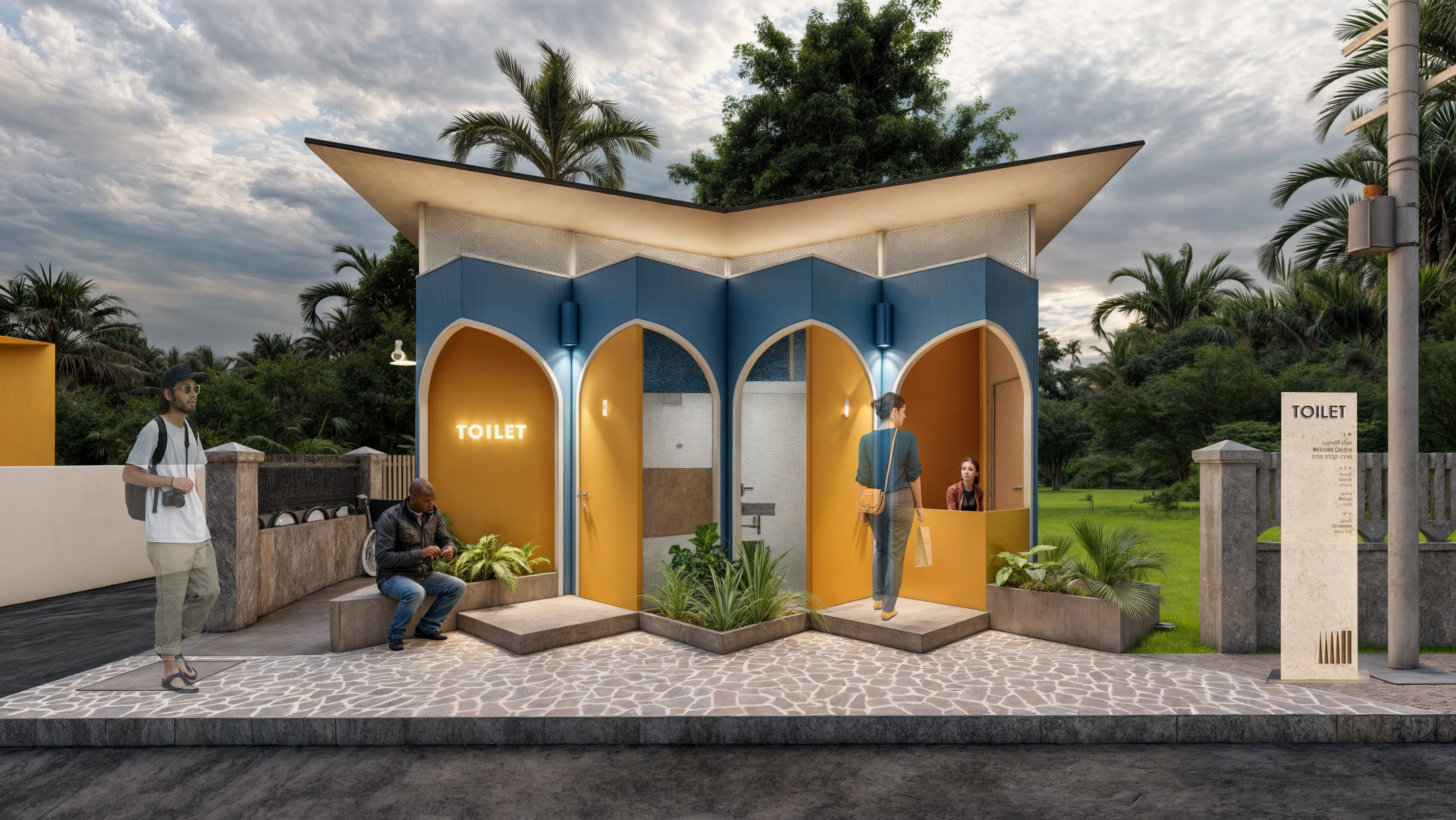
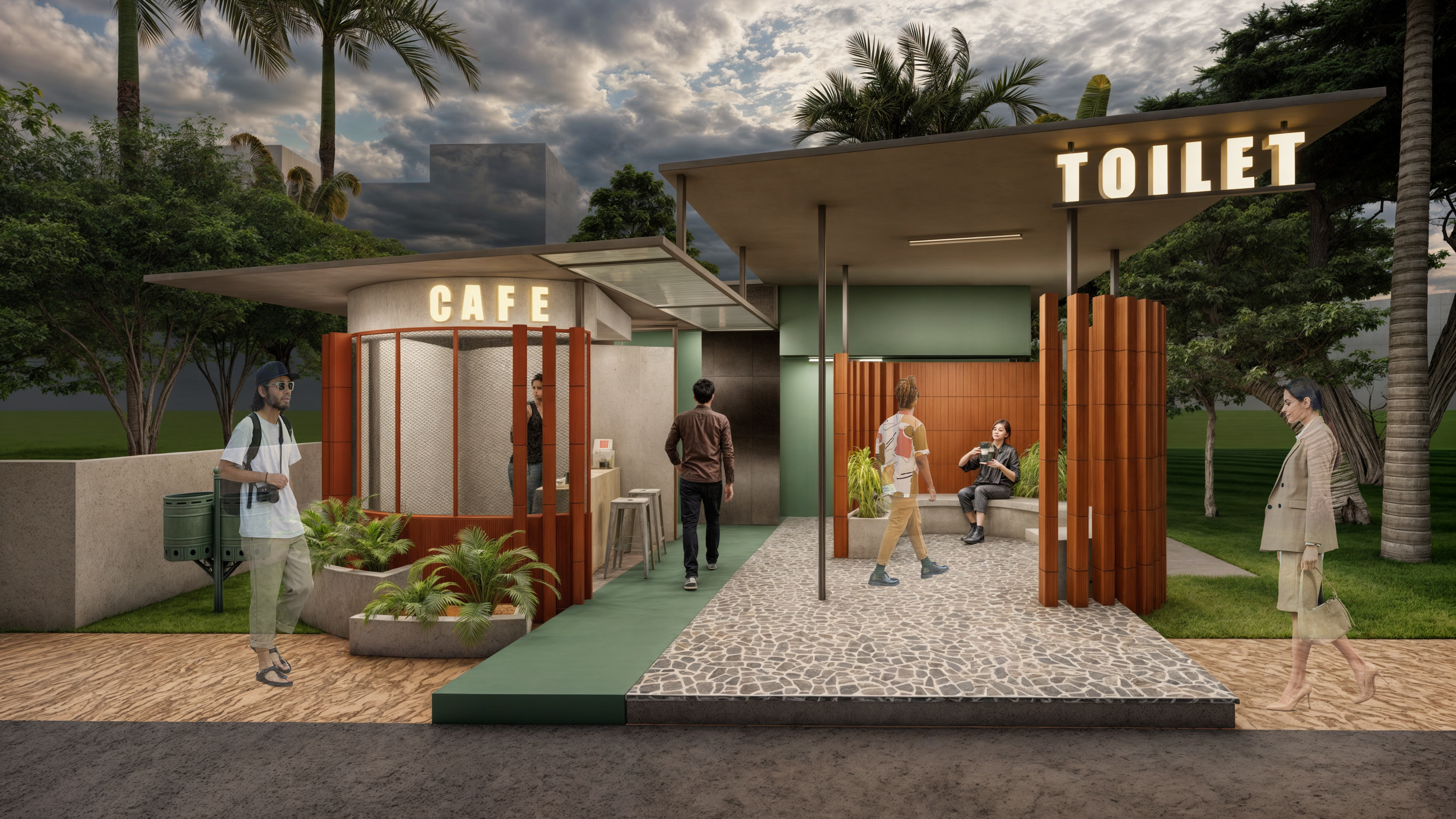
It also promotes access to essential workplace amenities, including toilets, drinking water, and secure spaces for personal belongings. Additionally, the project supports workers in accessing government welfare schemes, insurance, provident fund (EPF), sick leave benefits, and initiatives such as the NAMASTE Scheme.

What your funding changes

Your contribution can help sanitation workers move from unsafe and vulnerable working conditions towards safer, healthier, and more dignified livelihoods. It can increase the use of protective equipment, improve awareness of occupational hazards, strengthen access to essential workplace facilities, and connect workers with social security and welfare benefits.

Read more →

By investing in sanitation workers, you are investing in the people who keep our communities clean—protecting their lives, strengthening their livelihoods, and ensuring that dignity and safety become integral to sanitation services.

The gaps, and how they will be filled

What your funding buys
  1. 01Amenities at work: toilets and drinking water
  2. 02Enrolment in government schemes
More about the place
Gender: Female
59

How funding this works

Expressing interest is not a payment. It starts a conversation, and you see a full proposal before committing anything.

  1. 01You express interest

    Tell us the amount and timeline you have in mind. Nothing is committed at this stage.

  2. 02We send a proposal

    You get a costed proposal with the implementing partner named.

  3. 03You approve

    Review the scope and sign off. Funds are released against agreed milestones.

  4. 04Work begins

    The partner builds, and you get progress reporting from the ground until handover.

Technical details (WASH Institute survey data)

Every field exactly as recorded by the survey team, for diligence and reporting.

Reference ID
mapusa-livelihoods
Category
Sanitation Worker
Sub-category
Livelihoods and welfare
Capacity
163 workers
Cost
Being assessed